Browse organic tea collections
Uncover the Realm of Fair Trade Tea: High-Quality Brews That Foster Sustainable Practices
Fair Trade tea embodies a harmonious union of quality and moral values. Each cup delivers a unique flavor profile while supporting sustainable farming practices. This approach not only enhances the tea experience but also uplifts disadvantaged agricultural workers. Understanding its roots and certification processes reveals deeper layers of significance. As consumers become more aware of their decisions, the influence of Fair Trade tea extends beyond flavor. What exists beneath the exterior of these visit now selections?
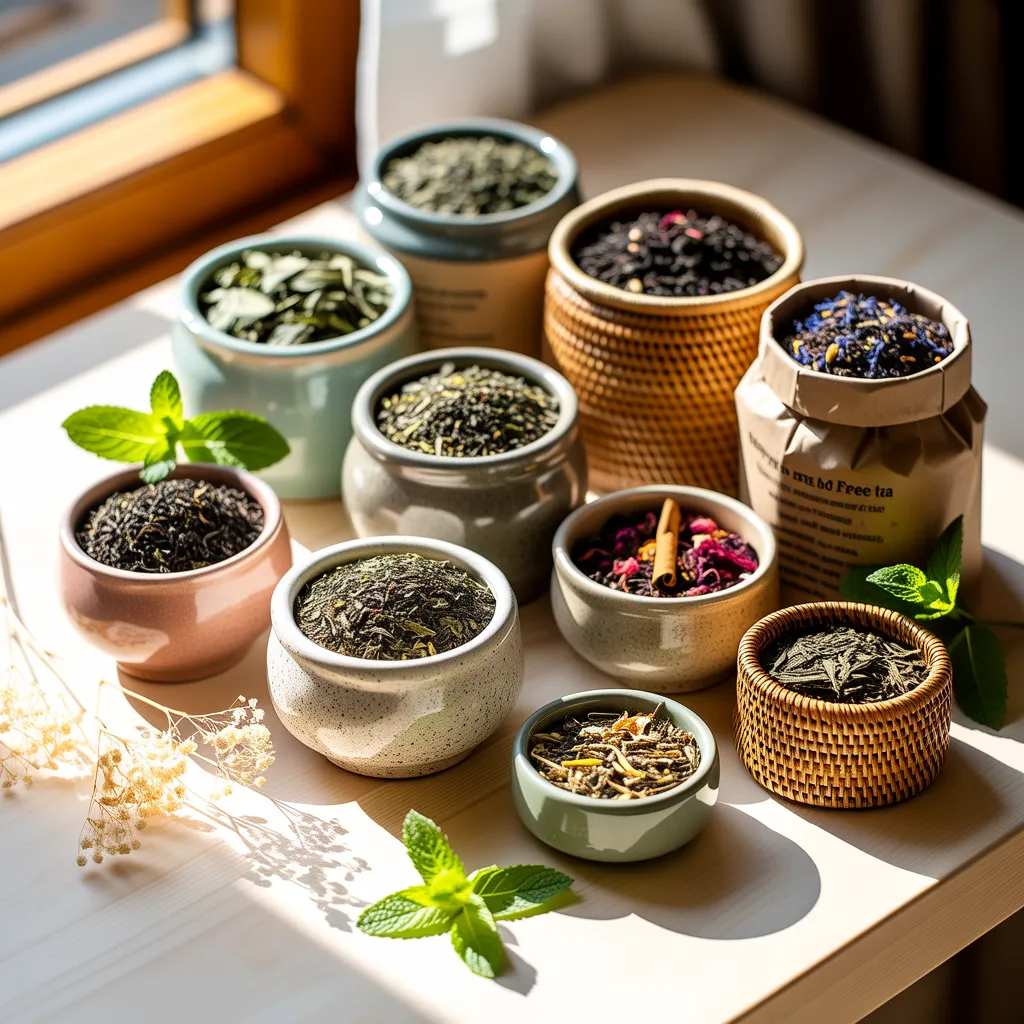
Find Out the Sources of Fair Trade Tea
Fair Trade tea is rooted in the social and economic efforts aimed at improve the wellbeing of marginalized farmers. Surfacing in the waning years of the 1900s, this scheme sought to address imbalances in global trade, chiefly in emerging nations where tea is often cultivated. The movement gained traction as consumers became progressively mindful of the harsh truths faced by small-scale farmers, including unfair pricing and abuse by large corporations.
By utilizing cooperative structures, Fair Trade sought to strengthen these farmers, ensuring they obtained fair payment and support for sustainable farming practices. The movement also concentrated on promoting environmental responsibility, encouraging organic farming and biodiversity. As knowledge increased, Fair Trade tea turned into a representation of ethical consumption, connecting consumers directly with the origins of their beverages. By selecting Fair Trade tea, individuals add to a larger vision of social justice and economic equity, creating a more sustainable future for tea-growing communities.
Grasp the basics of Fair Trade Certification for sustainable practices
Comprehending Fair Trade certification is essential to recognizing how sustainable practices are upheld within the tea industry. This certification guarantees that producers receive fair wages and work under safe conditions, which directly leads to community development. Fair Trade standards promote environmentally sustainable farming methods, reducing the use of harmful chemicals and encouraging biodiversity.
Certification encourages transparency in the supply chain, enabling consumers to track their tea back to its origin. By adhering to these guidelines, farms undertake practices that protect environmental assets and sustain local ecosystems. Additionally, Fair Trade groups often offer educational resources and training to farmers, enabling them to enhance their production methods and financial security.
Ultimately, Fair Trade certification not only enhances tea's excellence but also corresponds with purchasing choices to ethical and sustainable ideals, making it a key element of the tea industry's commitment to community responsibility and ecological stewardship.
Discover Leading Varieties of Fair Trade Tea
While many tea lovers appreciate the rich flavors and aromas of various brews, investigating the top types of Fair Trade tea reveals a greater commitment to responsible practices and environmental care. Some well-liked options feature Fair Trade Assam, recognized for its strong, grain-forward flavor, and Fair Trade Darjeeling, often referred to as the "Champagne of teas" for its subtle flower-like characteristics. Another significant variety is Fair Trade Earl Grey, infused with bergamot, providing a distinctive citrusy flavor.
Additionally, Fair Trade Green Tea, praised for its stimulating qualities and health benefits, is increasingly favored among health-conscious consumers. Herbal blends, such as Fair Trade Chamomile and Peppermint, also excel, delivering soothing and calming effects. Each of these varieties not only delivers exceptional flavor but also benefits farmers and communities working for better livelihoods, making them a responsible choice for tea lovers seeking quality and ethical assurance.
Brewing Fair Trade Tea: Pointers for a Flawless Cup
To create the best cup of Fair Trade tea, attention to detail is vital, as the right methods can bring out the tea's special notes and scents. The first step is that water quality is paramount; using purified water guarantees a pure flavor that allows the tea's traits to come through. Also, the water temperature is critical; tea types require precise temperatures; boiling temperature is used for black tea and green or herbal teas are brewed cooler.
Afterward, the steeping time ought to be strictly observed. Oversteeping can trigger bitterness, while understeeping may not access the total flavor dimensions. A basic principle is 3-5 minutes for black tea and 2-3 minutes for green tea.
To conclude, employing the right amount of tea to water enhances the taste; one teaspoon of loose tea per cup is a good starting point. By applying these guidelines, tea enthusiasts can deeply enjoy the great selection of Fair Trade tea.
Green Gains of Fair Trade Tea
Brewing Fair Trade tea not only elevates the tea encounter but also backs eco-friendly farming methods that advantage the environment. Fair Trade certification encourages farmers to use natural cultivation techniques, which decrease the reliance on harmful pesticides and fertilizers. This approach promotes species diversity, aiding in the protection of local habitats and safeguard wildlife habitats.
Furthermore, Fair Trade approaches often highlight soil health and water conservation, ensuring that tea cultivation does not drain essential resources. By supporting small-scale farmers, Fair Trade also encourages agroforestry, which combines tea cultivation with other crops and trees, further boosting environmental resilience.
Moreover, Fair Trade tea frequently includes eco-conscious packaging and delivery systems, reducing the greenhouse gas emissions linked to its delivery. Overall, selecting Fair Trade tea represents a deliberate commitment to promote a increasingly eco-friendly agricultural system that honors both the Earth and its people.

The Way Your Tea Selection Boosts Communities Worldwide
Embracing Fair Trade tea aids societies worldwide by supplying producers with equitable wages and enhanced working conditions. This obligation confirms that tea makers can copyright their ways of living while channeling resources in their families and area economies. By acquiring Fair Trade tea, customers enable the creation of vital community services, such as education and medical care.
Fair Trade certification promotes ethical practices, demanding companies to adhere to guidelines that prioritize employee protections and ecological responsibility. As a result, farmers are incentivized to cultivate premium tea, which not only improves their income but also fosters pride in their craft.
In addition, the direct trade relationships instituted through Fair Trade bypass exploitative middlemen, helping farmers to contact with end-users worldwide. This openness strengthens trust and advances a global appreciation for the cultural value of tea. Ultimately, each cup of Fair Trade tea serves as a reminder of the positive impact individuals can have on planetary communities through mindful consumption.
Regularly Posed Questions
How Can I Identify Fair Trade Tea Items in Stores?
To find fair trade tea products in stores, one should search for certification labels, such as Fair Trade Certified or Rainforest Alliance. Additionally, examining companies dedicated to ethical sourcing can assist in choosing wisely.
Do Fair Trade Tea Items Offer Any Health Benefits?
Fair trade tea may supply diverse health perks, containing heart-supporting antioxidants, improved digestive health, and sharper mental clarity. Also, sustainable sourcing practices enable green agriculture, helping advance a cleaner environment and community wellness.
Where Can I Find Ethically Sourced Tea in Online Marketplaces?
Yes, fair trade tea is widely available in online marketplaces. Many stores offer a wide selection of brands and blends, ensuring customers can easily access ethically sourced options that support both sustainability and fair labor practices.
What Influence Does Fair Trade Tea Have in Regional Economic Growth?
Fair trade tea positively impacts local economies by ensuring farmers receive equitable pay, promoting community advancement, and encouraging sustainable farming practices. This support enhances livelihoods, promotes economic stability, and empowers communities to direct funds toward education and healthcare.
What Techniques Should I Use to Store Fair Trade Tea for Peak Freshness?
To enhance freshness, fair trade tea should be kept in a airtight container, shielded from light, strong odors, and moisture. Keeping it in a cool, dark place helps maintain its scent and taste over time.